A dental bridge fills the gap left by one or more missing teeth and anchors securely to the teeth on either side. At Eternal Dentistry, a bridge restores both your bite and your smile with a solution built to last.
Losing a tooth affects more than just how your smile looks. Neighboring teeth can gradually shift into the empty space, and your bite can change in ways you might not notice right away. A dental bridge closes that gap, and it’s one of the restorative dentistry treatments we offer at Eternal Dentistry to help prevent that kind of shifting before it starts.
Missing teeth are far more common than most people realize. According to the American Dental Association, the average adult between the ages of 20 and 64 has three or more decayed or missing teeth, which is exactly why we treat this as a routine part of restorative care.
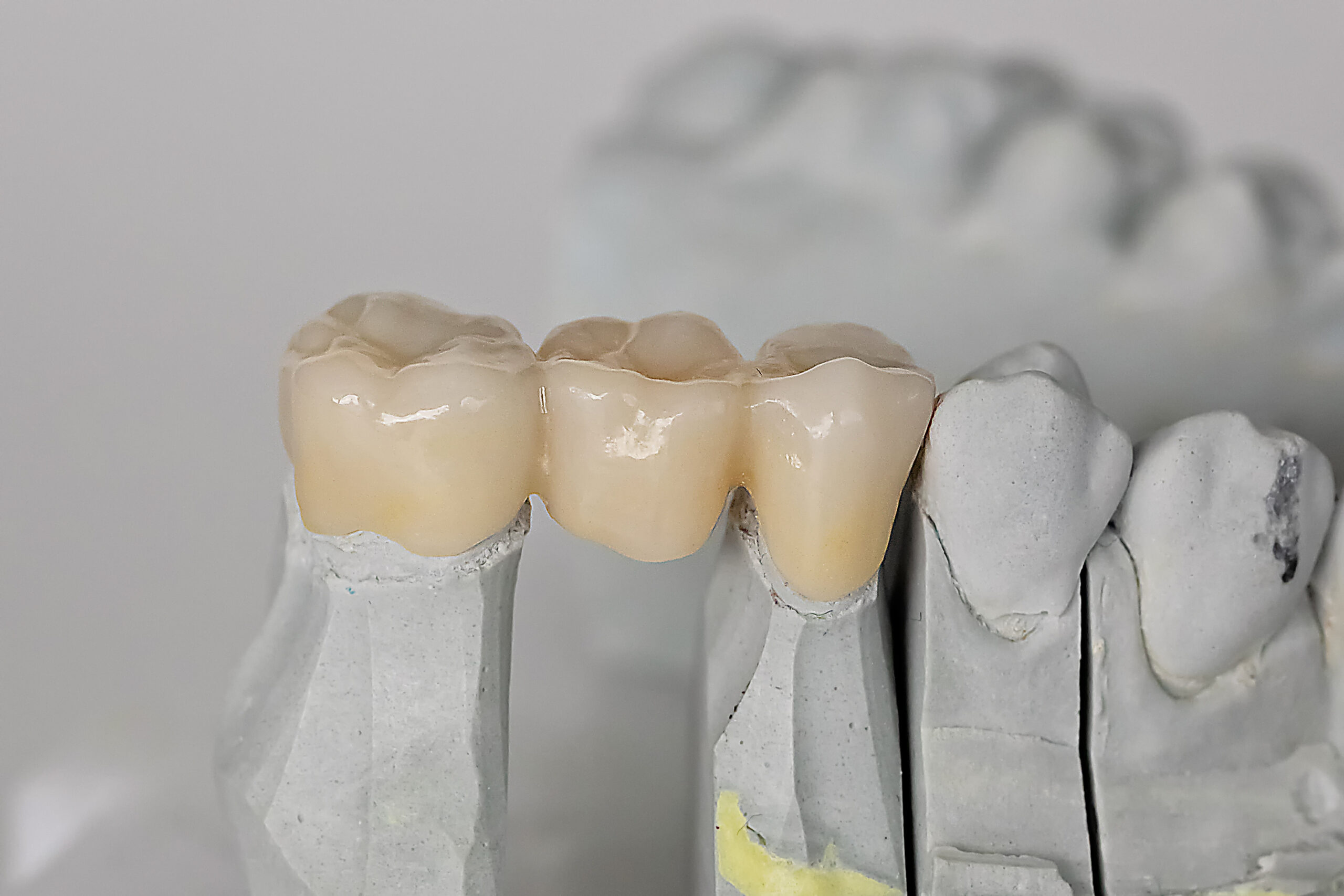
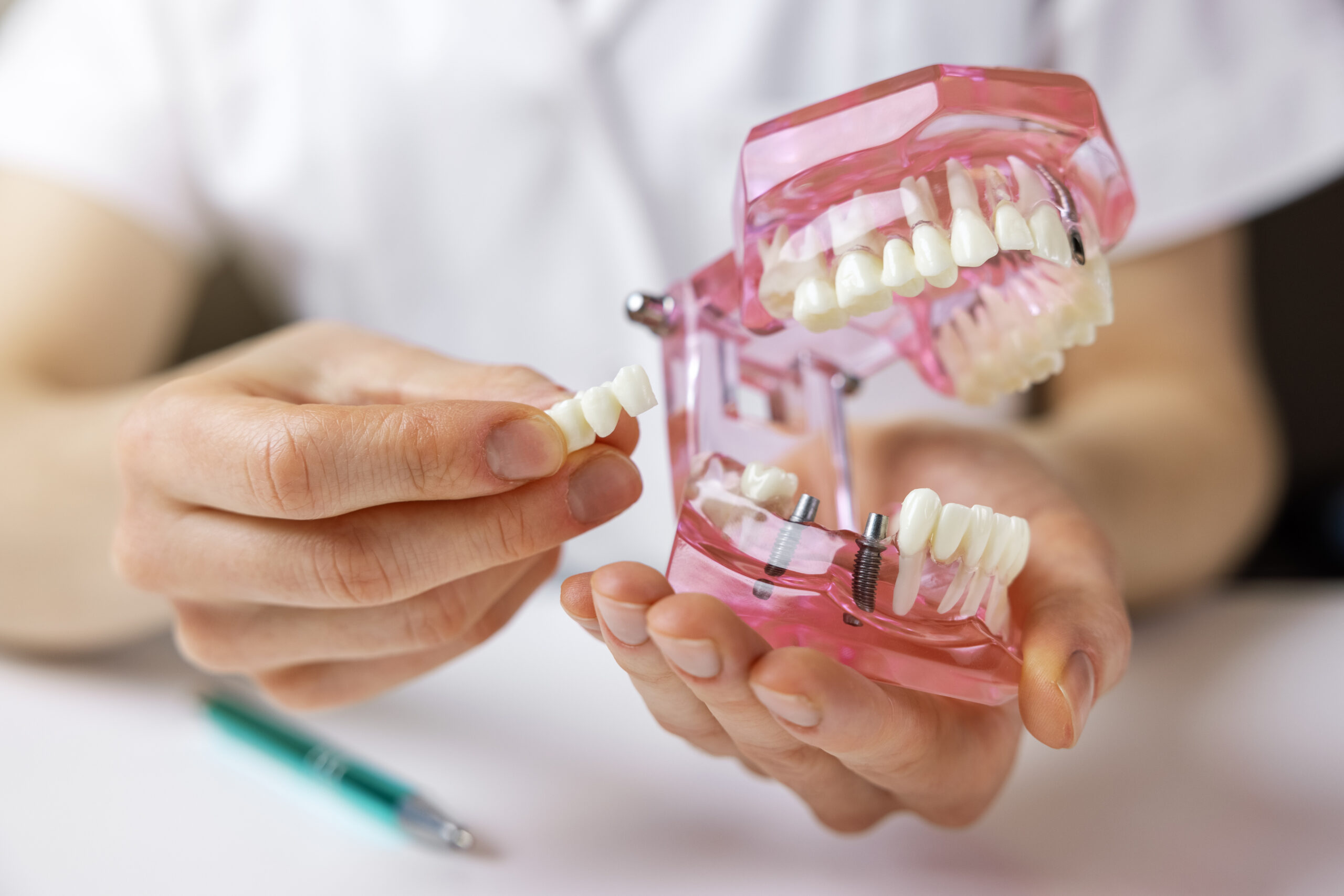
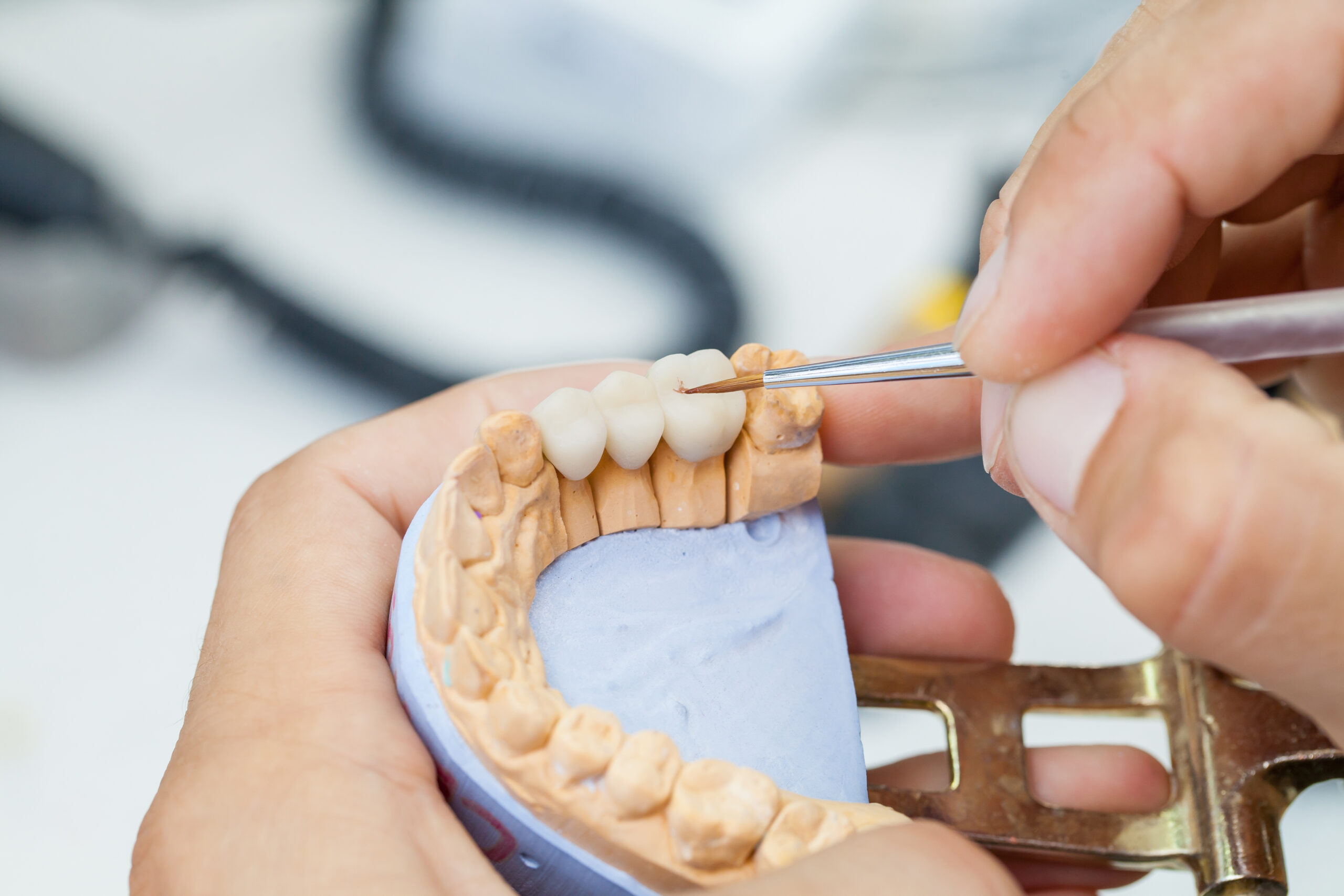
A traditional bridge uses crowns on the teeth next to the gap to anchor an artificial tooth in between, literally bridging the space where your natural tooth used to be. Once in place, it functions much like your original tooth, letting you chew and speak normally again.

Replacing a missing tooth isn’t just about appearance. Here’s what a bridge helps prevent and restore:
A bridge that doesn’t fit precisely can feel awkward or put unnecessary stress on the teeth supporting it.
Our team takes the time to get that fit right from the start. Dr. Syed Ahsan Raza treats bridge placement as a long-term investment in your bite, not just a quick fix for a gap.
A bridge isn’t the only way to replace a missing tooth. Depending on your situation, a dental implant may offer a more permanent, independent solution.
Have questions about dental bridges at Eternal Dentistry? Here are answers to what patients ask most.
The procedure is done with local anesthesia, so you shouldn’t feel pain during placement. It may take a little time to get used to your new bridge.
With proper care, a bridge commonly lasts many years, though your dentist can give you a more specific estimate based on your bite and habits.
Bridges are often covered, at least in part, by insurance when replacing a missing tooth is medically necessary. We can walk through what applies to your plan.
Regular brushing and flossing around the bridge, along with routine checkups, help keep the bridge and your supporting teeth healthy long-term.