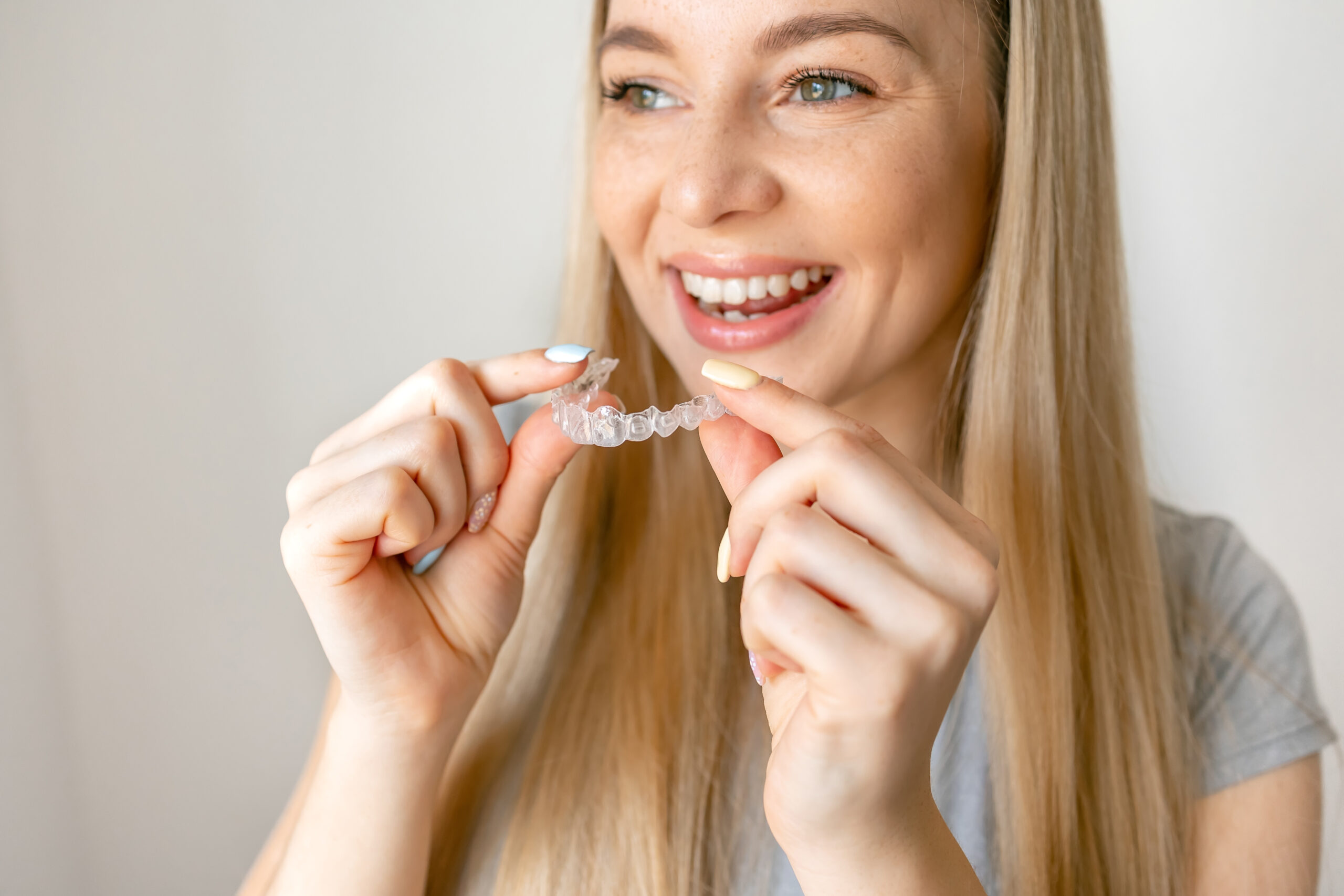
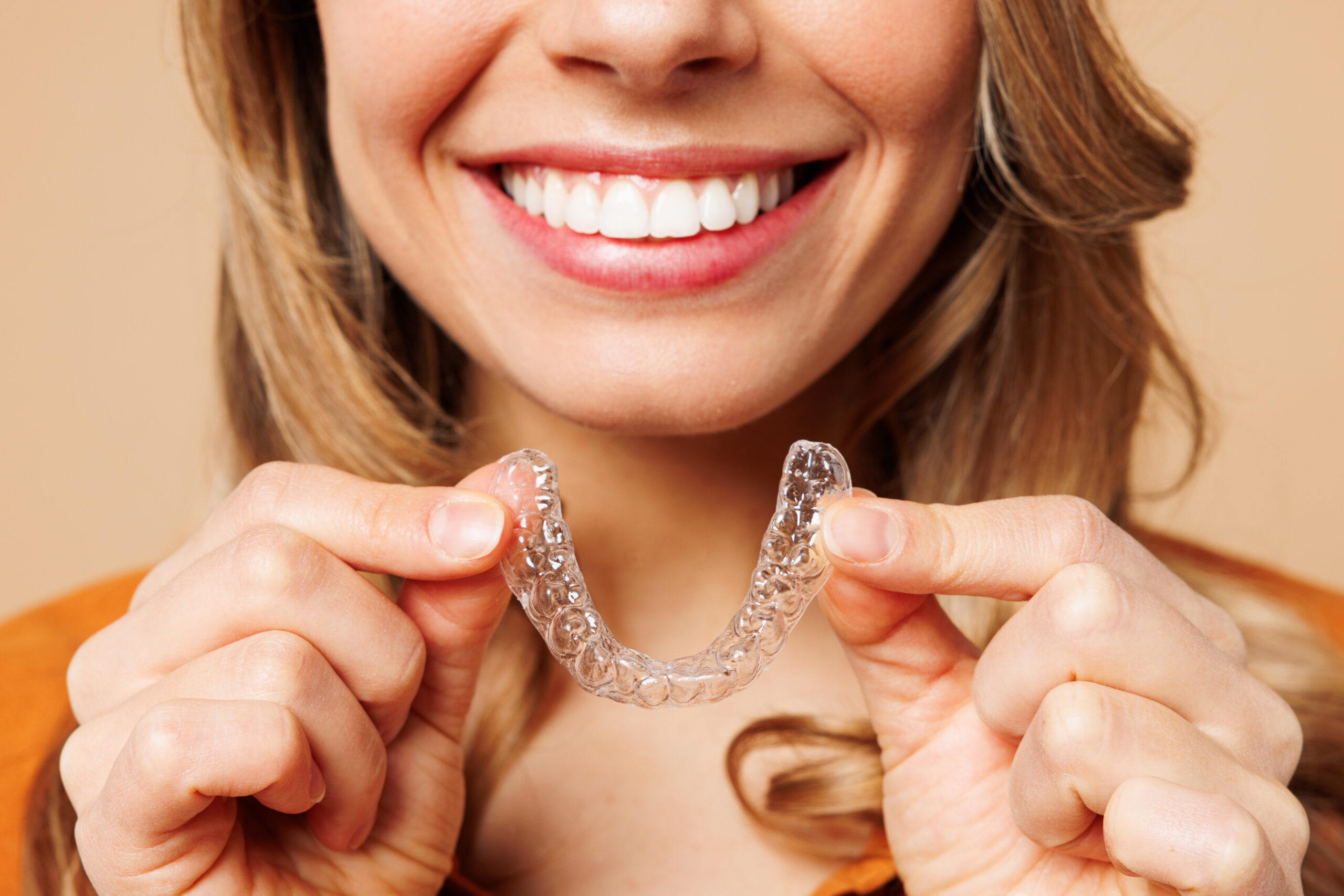
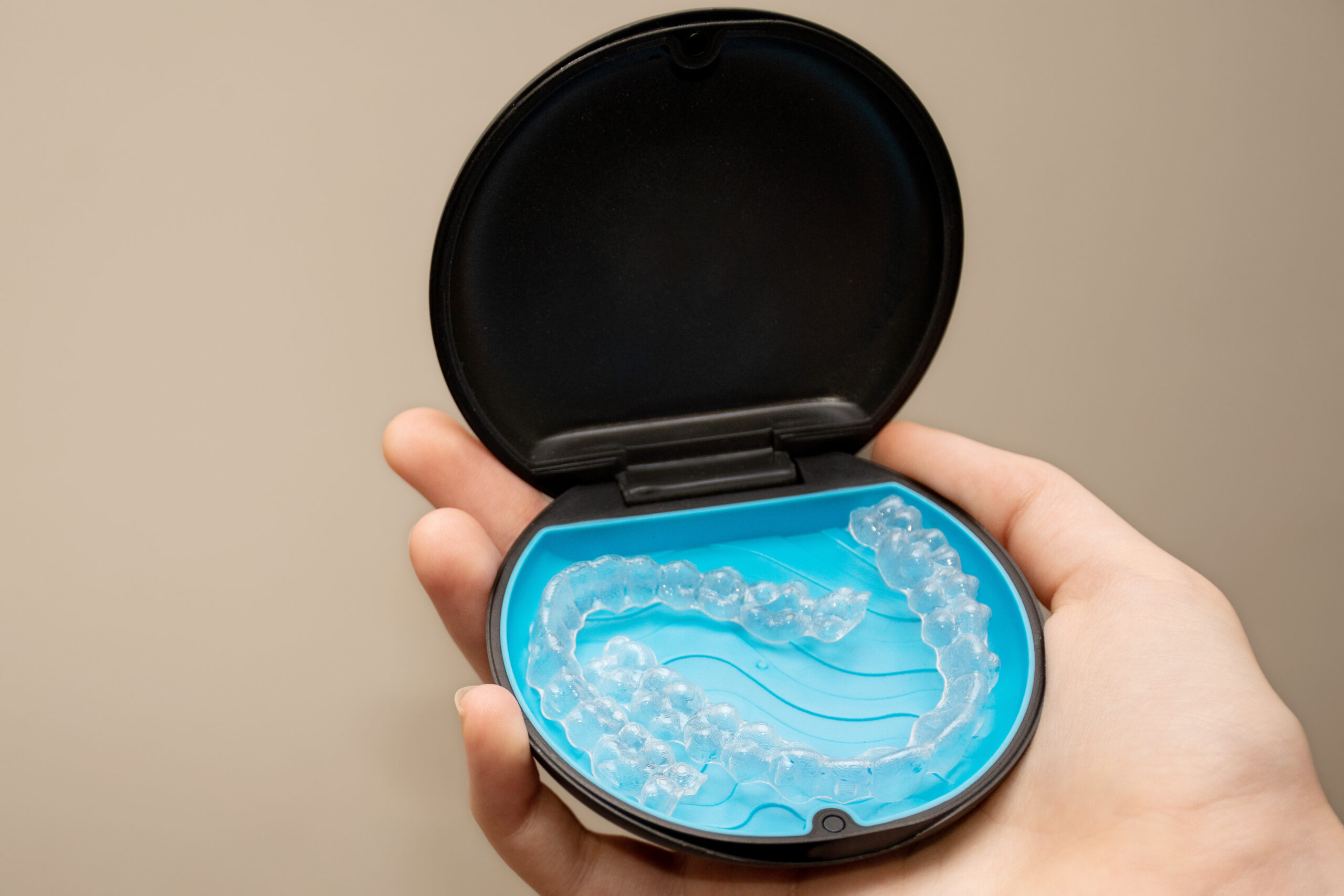
Invisalign straightens your teeth with clear, removable aligners instead of metal brackets and wires. At Eternal Dentistry, a dentist plans and monitors your treatment from your first scan to your final aligner.
Crowded or gapped teeth are often something people live with for years, partly because traditional braces feel like a bigger commitment than they’re ready to make, especially as an adult. Invisalign offers a more discreet path to the same result, and it’s one of the cosmetic dentistry treatments we offer at Eternal Dentistry for patients who want straighter teeth without a mouth full of brackets.

Clear aligners work only when they’re properly fitted and monitored throughout treatment. Removable aligners should be used under the direct supervision of a dentist or orthodontist, which is exactly how we approach every Invisalign case at our practice.
Invisalign uses a series of custom, clear trays that gradually shift your teeth into place. You’ll switch to a new set of aligners every couple of weeks, with checkups along the way so we can track your progress and adjust as needed.
Invisalign works well for a range of alignment issues, though more complex cases may still call for traditional braces. Here’s what it typically addresses:
Invisalign may look simple on the outside, but getting a good result depends on careful planning and regular check-ins.
Our team stays involved throughout your treatment, not just at the start and finish. Dr. Syed Ahsan Raza oversees every Invisalign case personally, adjusting your plan as needed so your treatment stays on track.
Once your teeth are aligned, some patients choose to add cosmetic treatments to finish the look they want, like brightening their smile or evening out a few remaining imperfections.
Have questions about Invisalign at Eternal Dentistry? Here are answers to what patients ask most.
Treatment length varies by case, but many patients complete their plan within a year or so, depending on the amount of movement needed.
Yes, consistent wear is important for staying on schedule. Aligners are removable for eating and brushing, but should otherwise stay in for most of the day.
It depends on your specific alignment issues. Some complex bite problems are still better suited to traditional braces, which we’ll discuss honestly during your consultation.
Most patients feel mild pressure for a day or two after switching to a new aligner, but it’s usually much less noticeable than the discomfort from traditional braces.